Certified South Florence Tree Health Tips
Defining the Purpose of an Arborist: Essential Services for Tree Health and Care
An certified arborist is indispensable for preserving tree health and longevity. Arborists use specialized skills to evaluate trees and develop specific care programs. This encompasses pruning, diagnosing diseases, and controlling soil quality. Arborists play a crucial role in promoting sustainable growth. Their expertise not only boosts the visual appeal of landscapes but also maintains ecological health. Grasping their main offerings can highlight the vital impact they have on city and country environments as well.
The Significance of Arborists in Tree Management

While many residents may fail to appreciate the role of arborists, their expertise is crucial for preserving tree health and long life. Tree specialists are trained professionals who are dedicated to the health and management of trees. They possess in-depth understanding of tree life science, diseases, and environmental factors affecting growth. By examining tree health, arborists can identify potential problems, ranging from pest infestations to nutrient deficiencies.
Their work encompass a number of critical tasks, including soil management, tree evaluations, and overall maintenance plans. Arborists also play a significant role in making sure trees are placed in correct locations, factoring in elements such as sunlight, drainage, and space for development. Their guidance assists homeowners make informed decisions that foster sustainable tree growth. By hiring arborist care, homeowners not only enhance the beauty of their landscapes but also aid the ecological well-being of their environment, making certain trees thrive for generations to come.
Essential Tree Pruning Techniques
Successful tree pruning practices are vital for maintaining healthy and robust trees. Tree specialists use various techniques to strengthen tree structure, stimulate growth, and take away dead or diseased branches. One essential technique is crown thinning, which includes selectively removing branches to improve light access and air circulation. Another important method is raising the crown, where the lowest boughs are removed to improve clearance and sightlines. Additionally, the practice of read more crown trimming reduces the size of a tree’s canopy, reducing strain while upholding its structure.
The timing is critical; it is usually best to prune during the dormant period in the late winter or early spring months. This limits the amount of sap leakage and fosters vigorous growth. Arborists advise the use of sanitized, keen equipment to make precise cuts, which aids in preventing harm to the tree. Ultimately, these vital techniques don't just boost visual attractiveness but also significantly impact the tree's total vitality and longevity.
Tree Planting and Transplanting
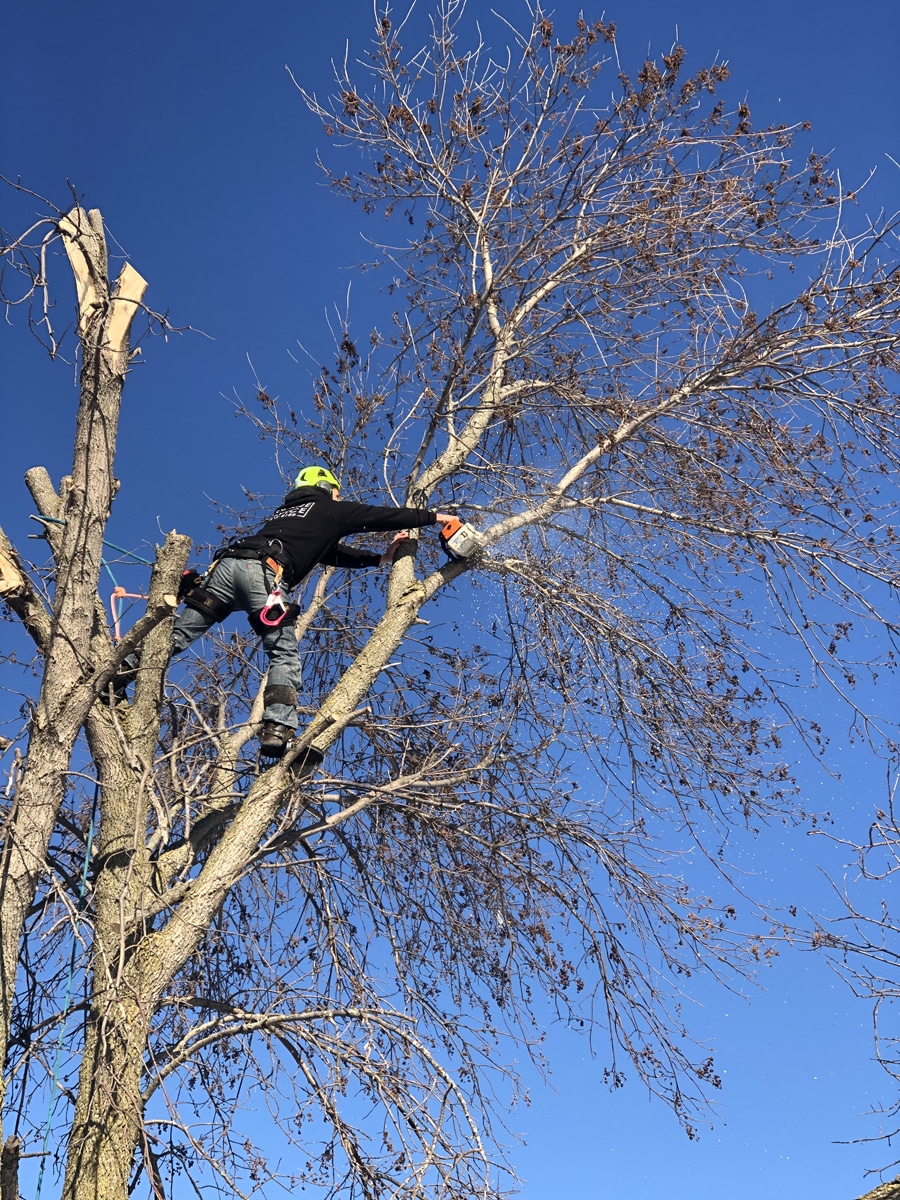
When planning the introduction of new trees, proper planting and transplanting techniques are crucial to secure their effective establishment and fitting into the surrounding area. Arborists highlight the need for selecting the right species for the specific setting, as well as properly readying the hole for planting. The hole needs to be ample in width to allow space for the roots, allowing for proper spreading and oxygen exchange
During transplantation, it is necessary to be careful to minimize root disturbance, which may impede the tree's capacity to establish itself in the new location. Arborists recommend transplanting during the dormant season to minimize strain on the tree
(Florence Arborist)Once planted or transplanted, adequate irrigation and mulching are crucial for aiding the tree's settling in. Arborists also advise monitoring the tree’s growth and altering tending methods as needed to guarantee a healthy shift into the surrounding environment, thereby leading to a thriving landscape
Identifying Tree Illnesses and Infestations
How can one effectively identify the indicators of tree maladies and pests? Arborists rely on an expert grasp of the science of trees and surrounding influences to determine the cause of these ailments. Symptoms such as leaves changing color, stunted growth, or early defoliation usually point to deeper troubles. In addition, the presence of unusual growths, such as cankers or galls, may indicate disease or pest problems.
Arborists also check the outer layer for lesions, entry points, or sawdust-like material, which may suggest insect activity. Analyzing the soil and surrounding environment aids in identifying stress factors like insufficient drainage or nutrient deficits. Knowledge of seasonal patterns is vital, because some pests become active at set times.
Arboricultural Health Evaluations and Maintenance Plans
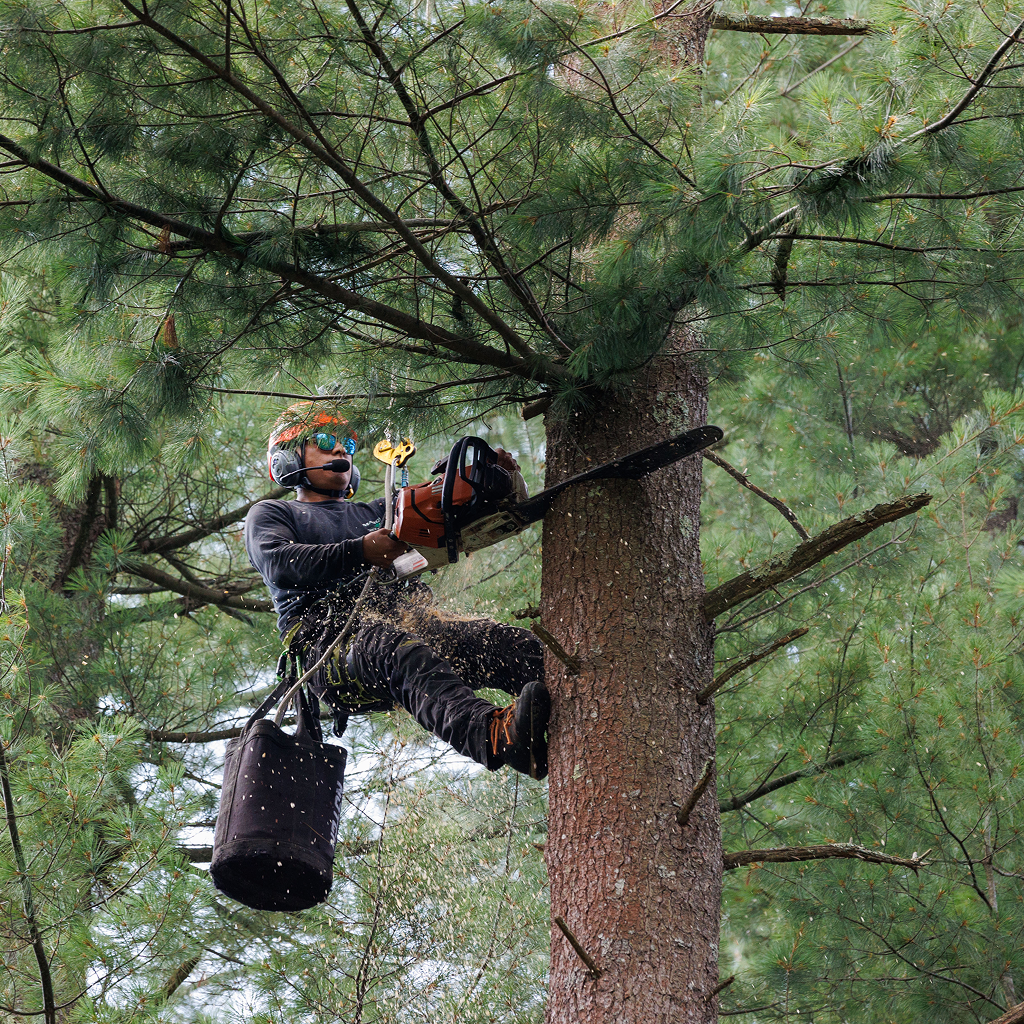
What approaches can be employed to preserve perfect tree health? Certified arborists usually commence with comprehensive tree health evaluations, involving a careful review of the tree's current status, including its framework, leaves, and the root zone. This review assists in finding possible problems like pathogens, harmful insects, or external stressors. Following the assessment, a specific management strategy is developed, focusing on individual needs
Standard parts of these strategies cover correct watering routines, feeding strategies, and pruning practices to boost development and hardiness - Florence Arborist. Additionally, arborists may recommend using mulch and handling the soil to increase nutrient access and hold moisture. Consistent observation is crucial, enabling changes to the maintenance plan as the situation develops. By putting these techniques into practice, the health and longevity of trees can be significantly enhanced, making sure they flourish in their environment and also adding to the broader ecosystem
The Role of Arborists in Urban Forestry
Arborists play an essential role in municipal tree care by managing and maintaining the health of trees within metropolitan areas. Their expertise contributes greatly to the environmental balance and visual appeal of urban areas. Arborists are involved in planting, ensuring appropriate species selection based on local conditions and city development requirements. Arborists carry out frequent health checks to identify diseases, pests, and structural issues, applying specific remedies to boost the well-being of the trees.
In addition, arborists develop and execute maintenance plans that include cutting, nutrient application, and irrigation, optimizing tree growth and longevity. They also educate community members regarding the value of trees and proper care practices. Through cooperation with urban developers and ecological groups, tree specialists aid in lasting city growth, encouraging varied life forms and enhancing the quality of the air. Their job is essential in developing green environments that benefit both residents and the environment, resulting in stronger urban habitats.
Commonly Asked Questions
How Do I Search For a Certified Arborist Locally?
In order to locate a professional tree expert in your vicinity, one can search online directories, check with local gardening centers, or contact tree care associations. It's crucial to check their qualifications and read reviews to guarantee quality service.
What Qualifications Should I Look for in an Arborist?
When seeking an arborist, you ought to check for certifications such as ISA or ASCA, relevant experience, liability protection, and a solid reputation through reviews. These qualifications guarantee professionalism and expertise in tree care and health.
Do Seasons Matter for Tree Pruning?
The best time for tree trimming is during late winter or the beginning of spring when trees are inactive. Yet, some species are better suited for summer pruning. The schedule is based on the tree type and specific growth patterns to ensure vitality and structure.
How Much Do Arborist Services Typically Cost?
Arborist services typically cost between $300 and $1,500, influenced by things like tree size, location, and the complexity of the job - Florence Arborist. Prices may vary considerably based on local market needs and service provider expertise
Can I Perform Tree Care Without Professional Help?
Yes, individuals can perform basic tree care without professional help, such as watering and mulching. However, for advanced procedures, like pruning or checking for sickness, seeking advice from a professional arborist is best to maintain healthy trees.